Record the condition before hiding it
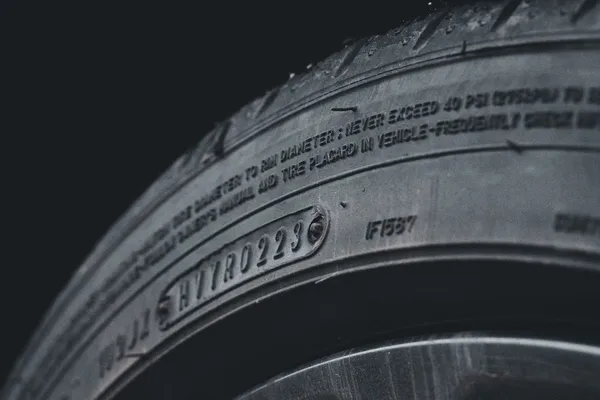
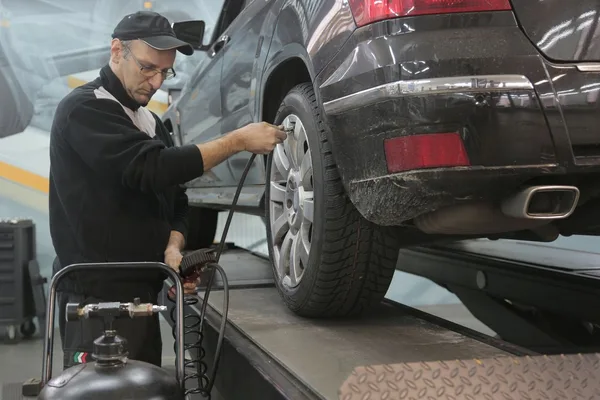
At changeover, ask for the condition of each tyre to be checked and note its previous wheel position. Keep useful tread measurements and any damage observations with the set. Finding a problem now leaves time to arrange replacement; discovering it on the morning of a winter journey creates unnecessary pressure to use something questionable. Do not store a known defect as if a few months will improve it.
Clean the tyres and wheels using suitable products and allow them to dry before putting them away. Avoid dressing products or chemicals that are not approved for the purpose. Remove ordinary dirt without using the storage preparation as an excuse for aggressive treatment of rubber or wheel finishes. If a valve or wheel is damaged, have that addressed by the tyre service.
Choose the environment before the arrangement
A cool, dry, sheltered location away from direct sunlight and damaging chemicals is a better starting point than a convenient exposed corner. Keep tyres away from heat sources and equipment that can produce ozone, such as certain electric motors. Do not leave them beside fuel, solvents or a heater simply because the space happens to be the right size.
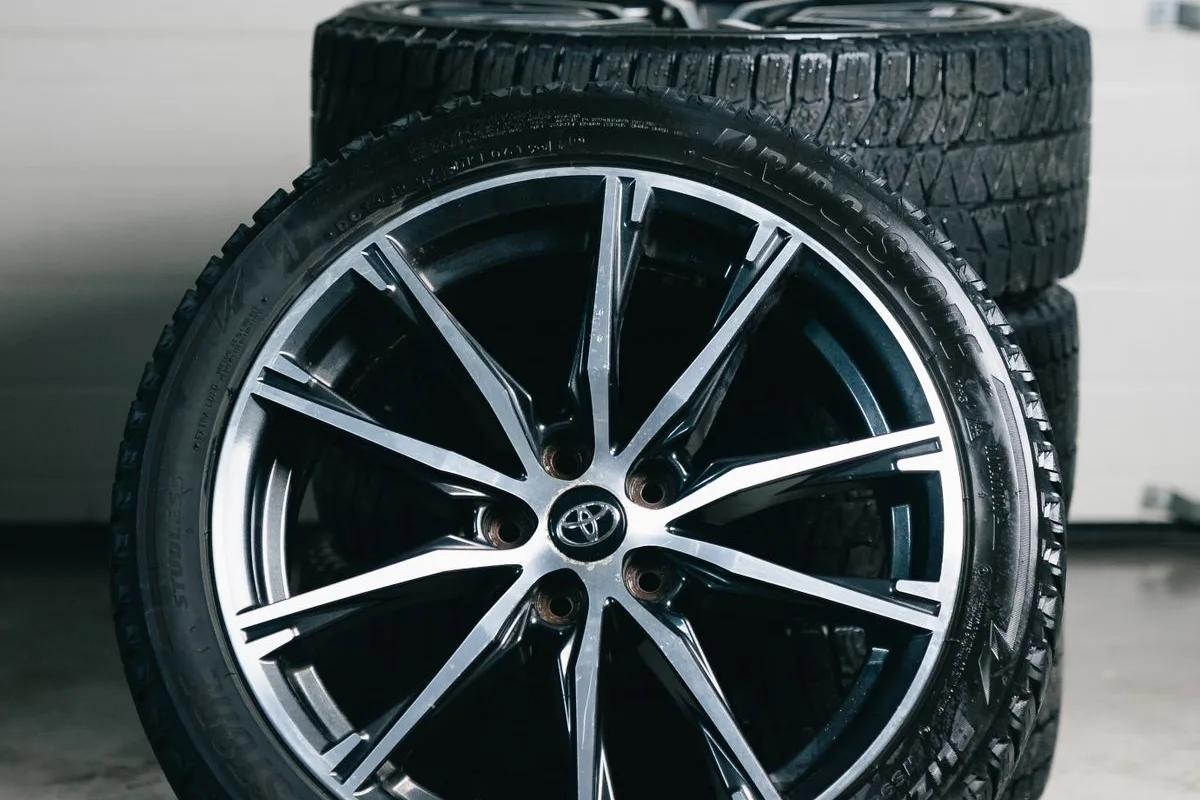
Storage arrangements differ depending on whether tyres remain mounted on wheels. Follow the tyre manufacturer’s guidance for the specific set and use stable, suitable supports. Do not suspend an unmounted tyre by a narrow hook or pile equipment on top of it. Complete wheel assemblies are heavy; avoid precarious shelves or stacks that could fall when someone retrieves another item nearby.
Make the next changeover easier
Label the set clearly and keep the vehicle details with it, particularly in a household with several cars. If using a storage service, retain the inventory and ask what inspection, insurance and retrieval arrangements are included. Confirm whether the quote covers complete wheels or tyres alone. Those small distinctions matter when you book the next appointment and expect the correct equipment to be ready.
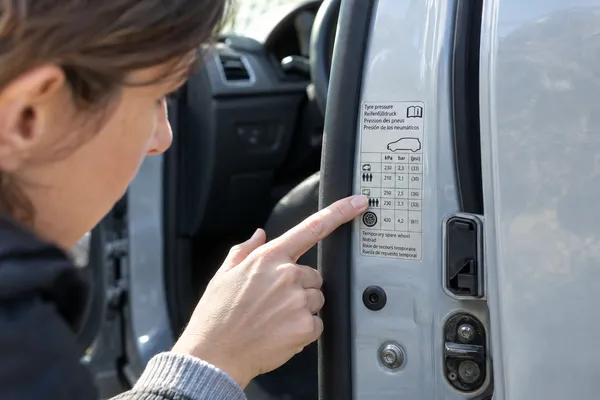
Before refitting, have the tyres checked again for condition and suitability, then set the correct pressures and follow the vehicle’s monitoring requirements. Storage does not stop ageing, and last season’s acceptable condition is not a guarantee for this season. Good storage preserves an opportunity to reuse a suitable set; it does not make inspection at the next changeover unnecessary.