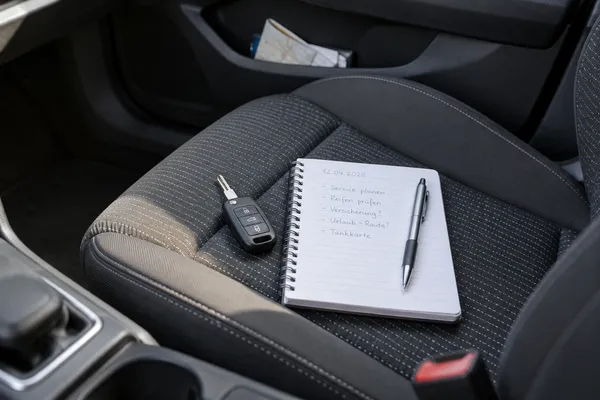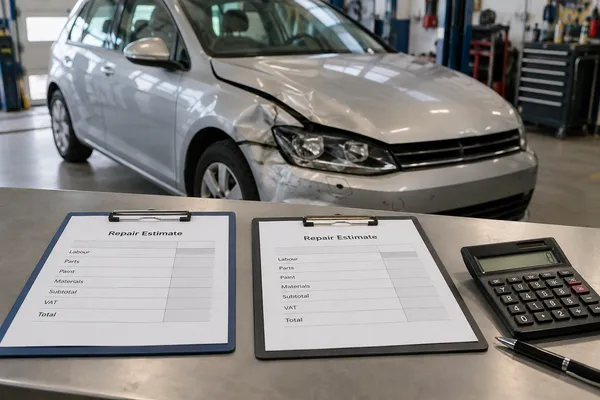
Define the starting agreement
Before leaving the vehicle, make sure the workshop and you share the same description of the initial work. A diagnostic appointment, a scheduled service and a confirmed repair are different starting points. Record the agreed scope and how any amount or time allowance is being applied. Do not assume that a general request to 'look it over' communicates a clear decision about extra work.
Give a contact number you will be able to answer and say whether a written message is useful. If you will be unavailable, explain that before the appointment rather than leaving the workshop to guess. Ask how findings will be recorded while it waits. The purpose is a workable arrangement, not a complicated script for every possible discovery.
Ask for a complete update
When extra work is proposed, ask what was found, why it matters and how it relates to the original job. Clarify whether it is necessary to complete the agreed repair, a separate concern or an optional recommendation. Those categories can affect your decision. A message containing only a part name and a total leaves too much context missing.
Ask for the revised scope and any change to collection timing. If the proposal rests on further investigation rather than a confirmed defect, have that distinction made explicit. You can agree to a next diagnostic stage without treating every possible repair as approved. Keep your response clear about exactly which item or stage you are authorising.
Close the loop in writing
A brief written confirmation helps both sides remember the same decision, especially when several conversations take place during the day. Retain the version of the estimate you accepted and any later changes. This is practical recordkeeping; the legal status of quotations, estimates and authorisations depends on the place and circumstances, so avoid assuming a universal rule from a general website.
At collection, compare the completed work with the agreed scope and ask about any differences while the details are fresh. If an item was deferred, record what the workshop advised about using the vehicle and arranging a follow-up. Do not interpret a postponed repair as confirmation that it is safe to ignore. A clear approval process should leave the vehicle's condition as well understood as the paperwork.
If more than one person can approve work, tell the workshop who should give the final instruction. Conflicting replies can be avoided before they occur.