Learn the controls in calm conditions
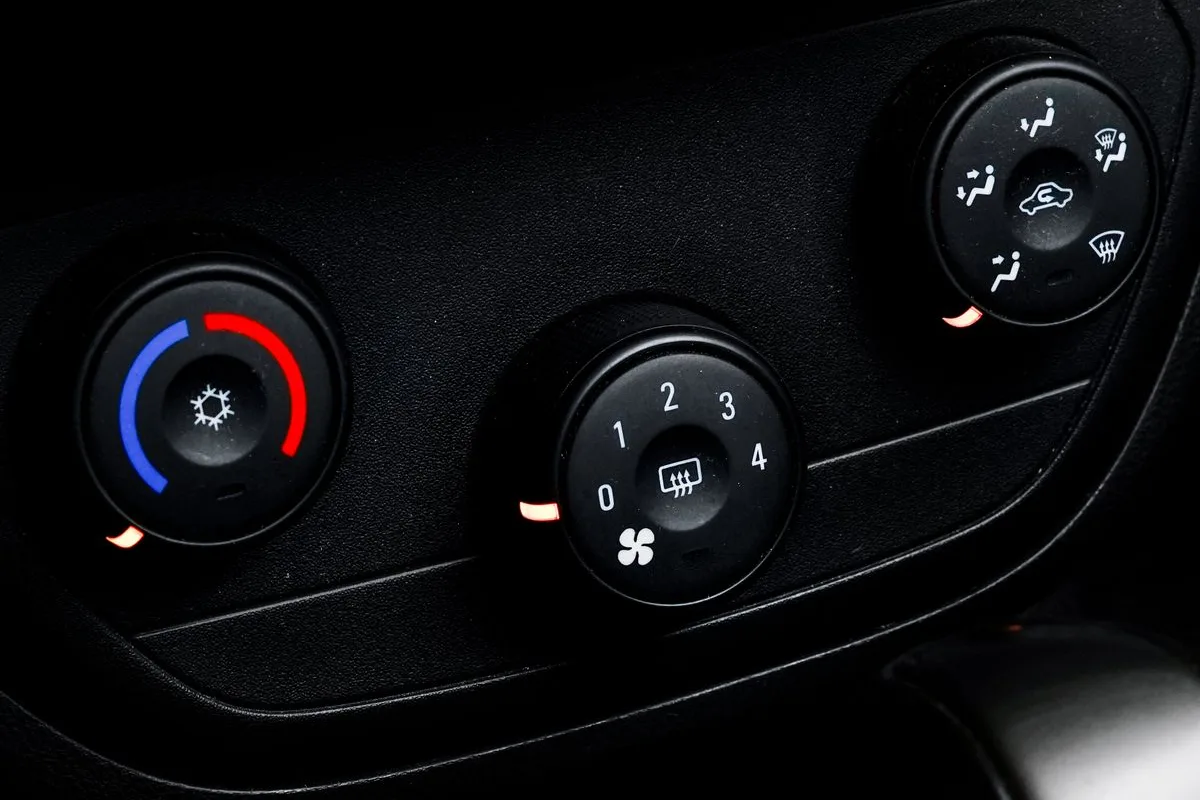
Spend a few minutes with the car parked to identify temperature, fan, air direction, recirculation and demisting controls. Automatic climate control and a simple manual system do not behave identically. A temperature number is usually a cabin target, not the exact temperature of air leaving a vent. Read the handbook before deciding that a changing fan speed or temporarily different airflow is a malfunction.
Air conditioning can help remove moisture from cabin air when the system and conditions allow it. That is why it may operate during demisting even in cool weather. Do not switch it off automatically because you associate it only with summer. Equally, a compressor may be inhibited under particular conditions, so the illuminated button alone is not a complete diagnostic test.
Give the system ordinary attention
Follow the manufacturer’s advice about regular use between seasons. Keep the exterior air intake free of accessible leaves, and maintain the cabin filter on its schedule. Neither task requires opening the refrigerant circuit. If the cabin smells musty, describe when the smell appears and whether dampness is present elsewhere rather than immediately covering it with a strongly scented spray.
Water dripping beneath a car after air-conditioning use can be normal condensation. Its location, appearance and timing matter, however, and a coloured, oily or unexplained leak should not be dismissed as harmless water. Do not taste or handle a fluid to identify it. If uncertain, photograph the location from a safe position and ask the workshop.
Notice a change before peak summer
Try the cooling function before the first very hot journey. If it becomes noticeably weaker, makes a new noise or repeatedly loses performance after a refill, arrange an inspection. Refrigerant is not a household top-up fluid, and adding more without the correct equipment can obscure the cause. Ask for a diagnosis appropriate to the vehicle rather than treating every warm vent as an identical recharge job.
Keep the service invoice and any refrigerant-related work in the records. For electric and hybrid vehicles, climate equipment may be integrated with other thermal systems, making correct procedures particularly important. A useful routine is simple: understand normal operation, keep airflow paths maintained and act on a real change before it becomes an uncomfortable surprise.