Read the whole result
A small code reader can make a complicated problem look wonderfully simple: a letter, four numbers and the name of a component. Resist the temptation to turn that description straight into a purchase. A control unit reports what it can measure. It does not see the car in the same way as a technician inspecting a connector, checking a supply or tracing an air leak.
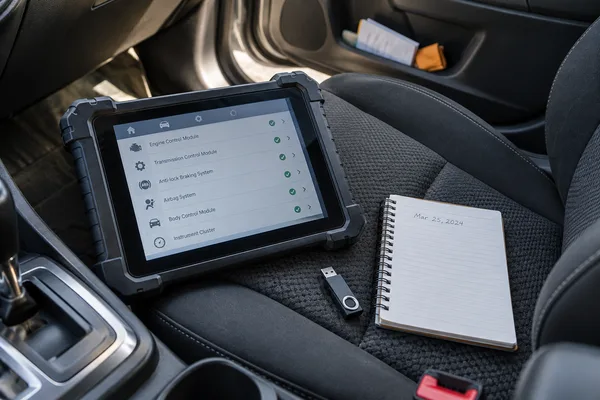
Record the exact code, including any suffix, and the module that reported it. Keep the wording shown by the tool rather than rewriting it from memory. If the screen also gives a status, such as pending or confirmed, save that too. A screenshot taken while safely parked is much more useful than a message saying that the scanner mentioned a sensor.
Separate the observation from the explanation
Suppose a report describes an implausible temperature signal. That points to a circuit or value that needs investigation; it does not establish whether the sensing element, its connection or another condition is responsible. Even a correctly operating sensor can report a real problem elsewhere. The same distinction applies when a code describes a mixture or efficiency result rather than an individual electrical failure.
Write down what the car actually did alongside the scan. Was the engine cold? Did the hesitation appear after a long journey? Did anything change immediately after recent work? These are observations, not a diagnosis, and they help a workshop decide which conditions to reproduce. Do not create dangerous conditions merely to make a fault return.
Ask for the next test
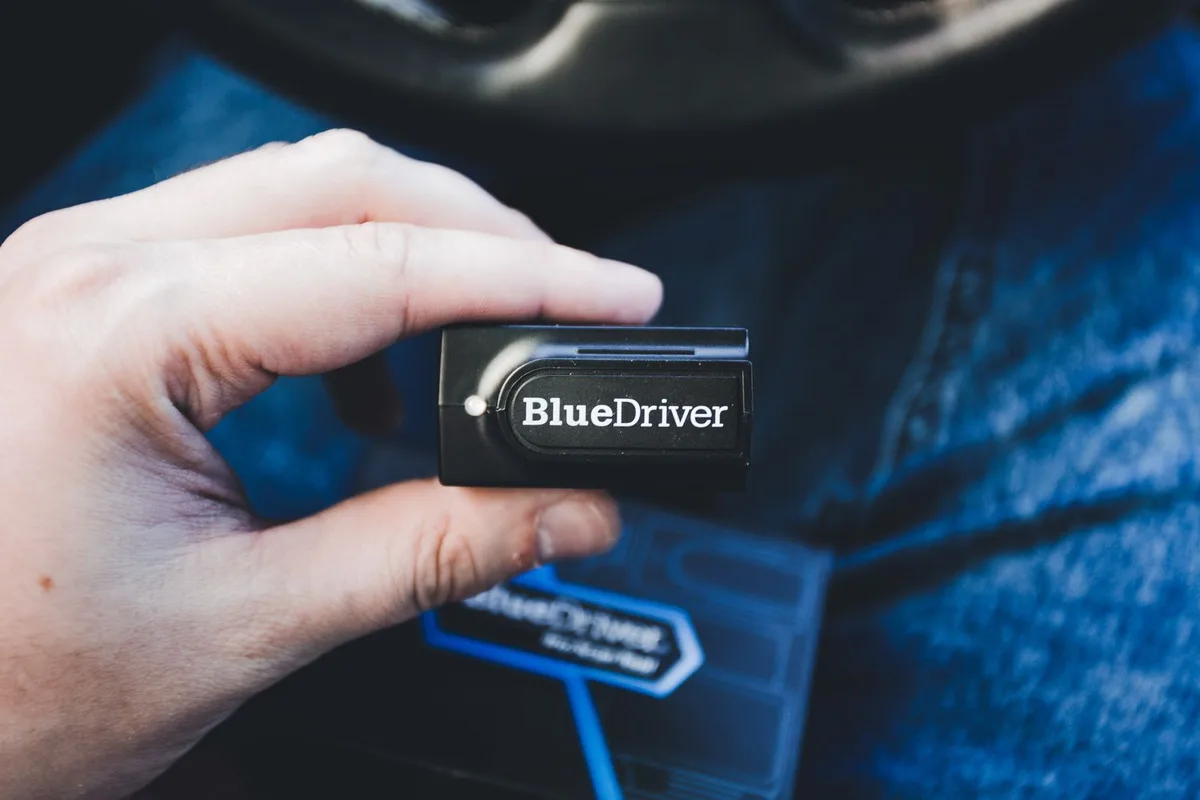
A useful workshop question is: what measurement will distinguish the likely causes? The answer should connect the code to a test, and the test to the proposed repair. Sometimes there is an obvious damaged connection. Sometimes the problem needs more time and model-specific information. A basic reader may also miss information stored in other modules.
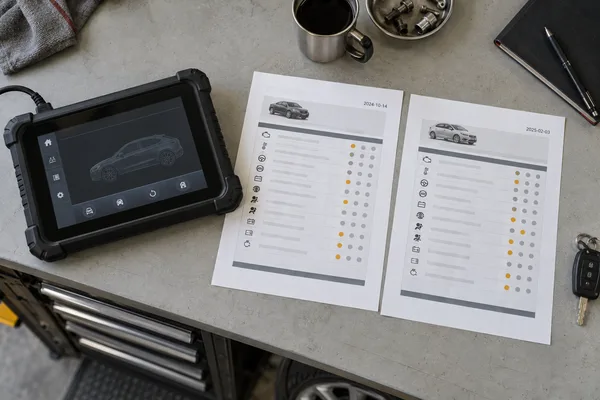
Keep the original scan and ask for a copy of the findings after the work. Clearing a code is not the same as repairing its cause. If the car has a serious warning, severe rough running or a loss of safe control, its handbook and roadside assistance take priority over further scanning.