Watch the pattern from a safe place
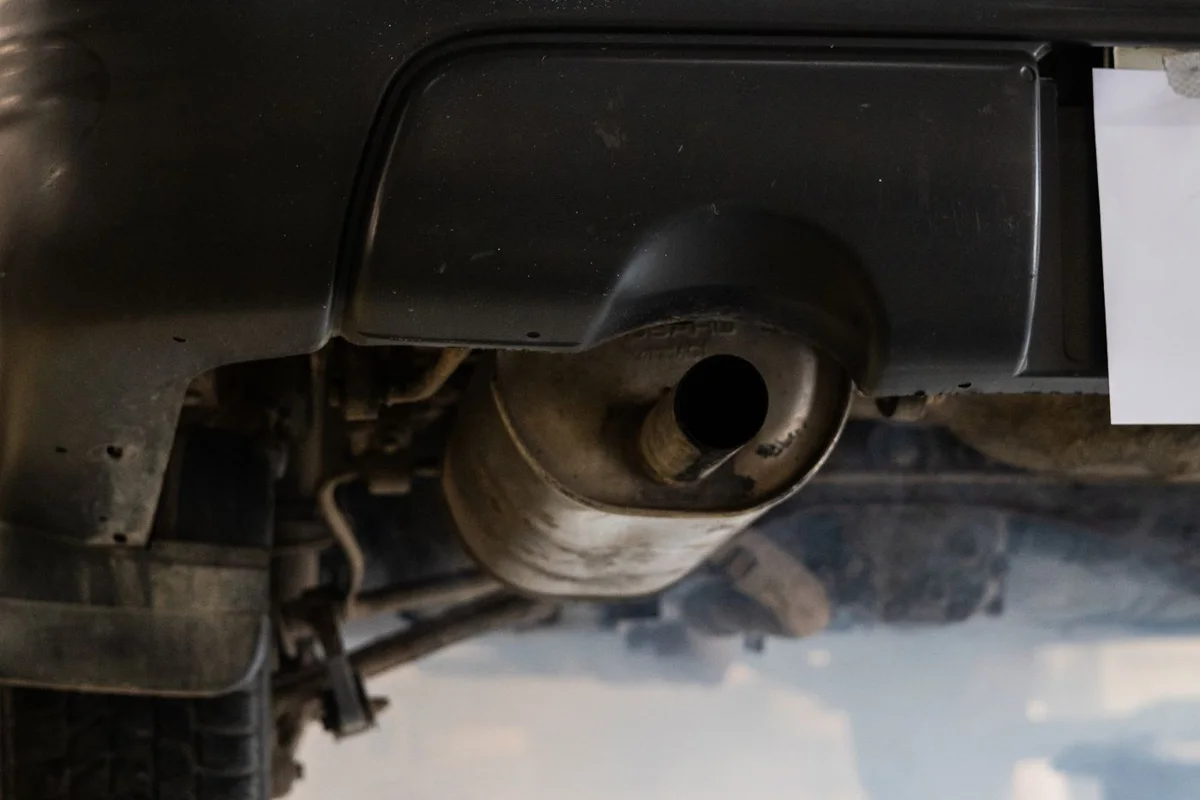
A pale plume on a cold morning can be water vapour becoming visible in the air. That is different from a new dense cloud that persists after normal warming. The difficulty is that light, weather and a phone camera can make colour unreliable. Describe the pattern and circumstances instead of diagnosing the engine from one photograph.
Observe only from a safe position outdoors. Never stand in exhaust flow, run the car in an enclosed garage or ask someone to accelerate hard while you watch the tailpipe. Do not deliberately inhale fumes to identify a smell. If the vehicle is already producing heavy smoke or behaving abnormally, stop using it and arrange appropriate help.
Keep the useful distinctions
Note whether the plume appears only on the first start, remains during an ordinary journey or began suddenly after a particular event. Record whether the engine runs smoothly and whether a warning appeared. If you already have documented changes in oil or coolant level, pass those on; do not open a hot cooling system to gather an extra clue.
Blue, grey, black and white descriptions can suggest different lines of investigation, but none is a complete diagnosis. Vehicle type and operating conditions change their meaning. Avoid choosing a major repair from a colour chart or assuming that a pale plume is always harmless condensation. Persistent new smoke deserves an assessment even when the car still starts normally.
Ask for a cause, not a cosmetic cure
A workshop may need to check the engine, intake, exhaust or other systems according to the symptoms and model. Provide recent repair history and any saved fault records. Ask what evidence links the visible plume to the proposed cause. A treatment that temporarily changes the appearance of the exhaust is not the same as establishing why the smoke occurred.
If the smoke comes from under the bonnet or inside the cabin rather than the tailpipe, say so clearly and treat the situation separately. Stop safely, switch off when appropriate and seek assistance; do not investigate a possible fire. The location of the smoke is one of the most important details, and it can be lost when every visible cloud is described simply as 'the engine smoking'.