Everyday maintenance
Reading an oil dipstick without guessing
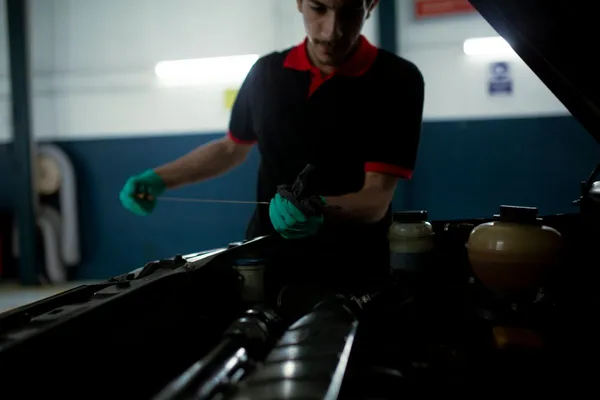
A smeared dipstick can make a simple check surprisingly confusing. Consistent conditions matter more than a quick glance.
Read the guideSmall, well-timed checks that help you know your car.
37 guides in view
No guides match. Try a shorter phrase or choose another category.
A smeared dipstick can make a simple check surprisingly confusing. Consistent conditions matter more than a quick glance.
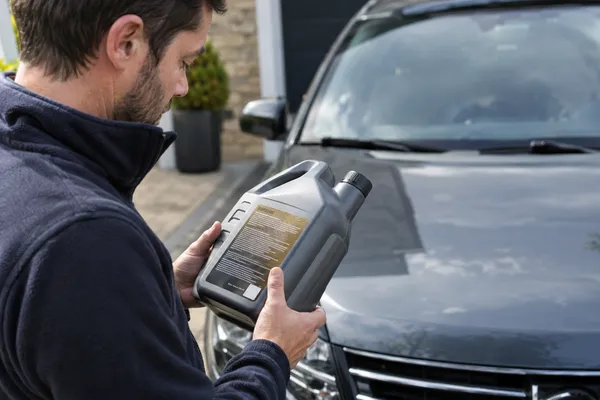
Read the guideTwo bottles can show the same viscosity and still meet different engine requirements. Read the smaller print before choosing.
Read the guideMore oil is not extra protection. A confirmed reading above the upper mark needs an explanation before another journey.
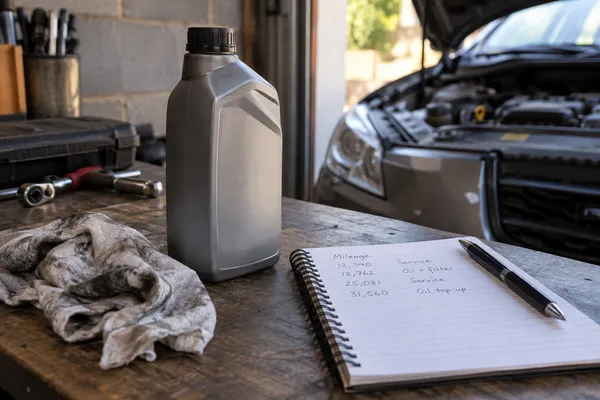
Read the guide“It uses some oil” is hard to investigate. A few consistent notes can turn that impression into useful evidence.
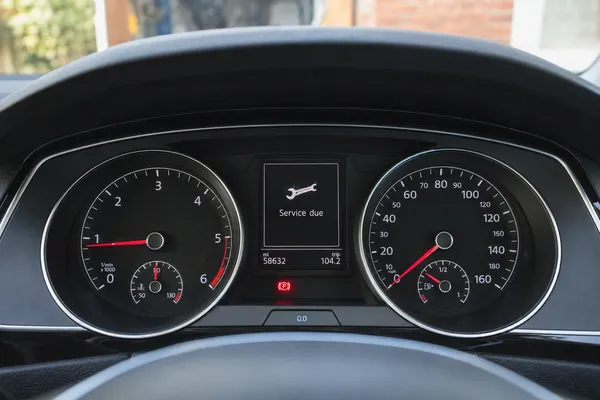
Read the guideA percentage on the dashboard can look like a laboratory result. Usually it is a maintenance estimate with a particular job to do.
Read the guideA quiet year on the odometer does not make every service item disappear. Start with whichever limit your schedule reaches first.
Read the guideA car doing five kilometres at a time can need more attention than its annual mileage suggests.
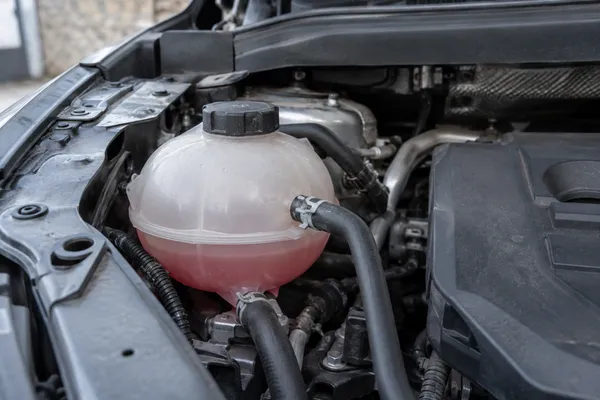
Read the guideThe safest coolant check is usually a look through the reservoir while the engine is cold, not a twist of a hot cap.
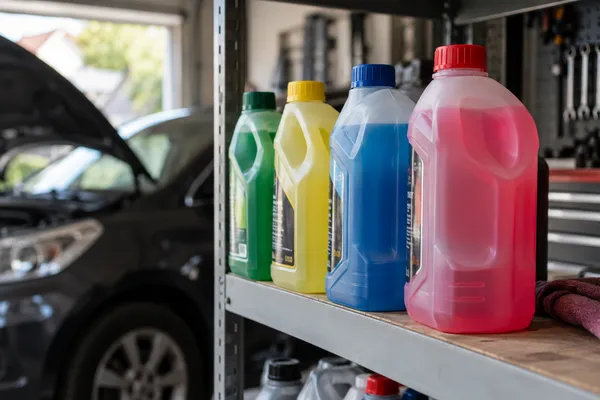
Read the guidePink, blue and green are easy to remember. Unfortunately, colour is not a dependable shortcut for choosing coolant.
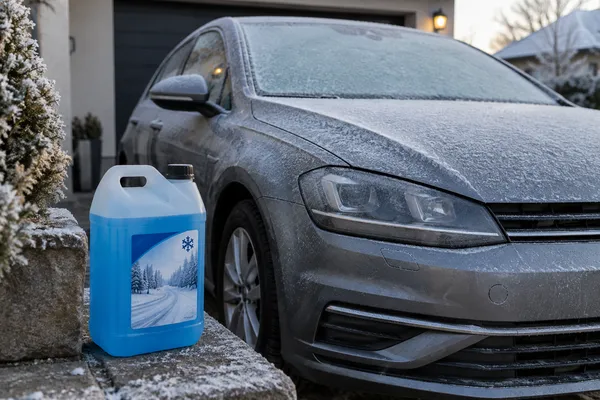
Read the guideA full washer tank is little help if its contents freeze on the first cold morning. Read the dilution instructions before topping up.
Read the guideA streak across the driver’s view does not automatically mean the whole wiper assembly has failed. Start with the glass and the rubber.
Read the guideSome wiper arms cannot be lifted safely from their normal parked position. The service position creates the clearance they need.
Read the guideWeak washer jets can leave road spray smeared across the glass. A few observations help separate an empty tank from a repair job.
Read the guideIf oncoming lights reveal a grey film even after the wipers sweep, the dirt may be on your side of the glass.
Read the guideThe fan can sound busy while surprisingly little air reaches you. The cabin filter is one possible part of that story.
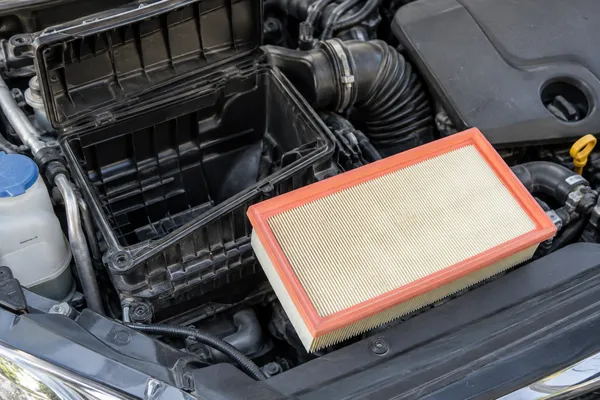
Read the guideAn engine air filter can look dusty without telling you its entire service history. Use the schedule and the correct inspection method.
Read the guideAn oil check is not finished until the bonnet is securely closed. Make that last step deliberate rather than automatic.
Read the guideLeaves collected below the windscreen are easy to ignore until they turn into a wet, compacted layer. Remove the accessible ones before that happens.
Read the guideParking a car for weeks changes its needs, even when the mileage barely moves. Prepare for the pause and for the return.
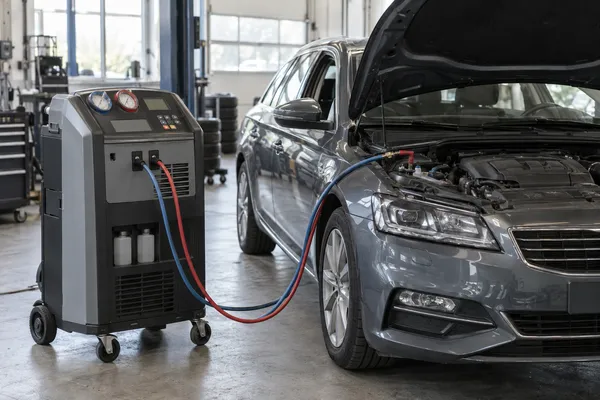
Read the guideAir conditioning is useful beyond the hottest afternoons. Understanding its normal controls helps you notice when something changes.
Read the guideTwo air-conditioning quotes may describe quite different work. Ask what is being tested before comparing the totals.
Read the guide“The belt was done” is a starting point for a question, not a complete maintenance record. Find out which belt and when.
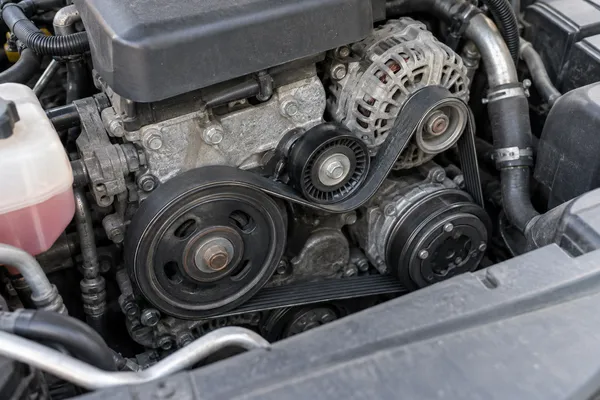
Read the guideThe belt visible at the side of an engine usually serves accessories. Recognise it without touching or testing it while the engine runs.
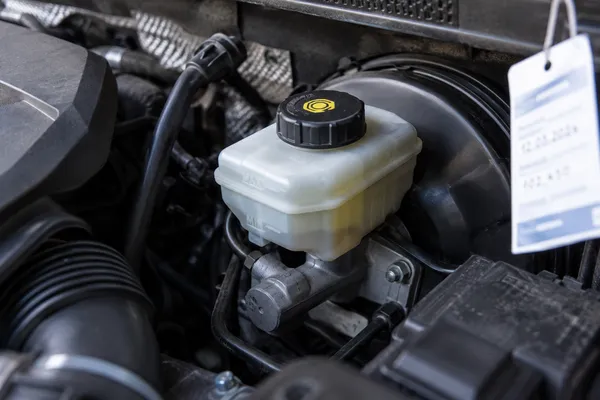
Read the guideBrake fluid can be due for replacement even when the reservoir level looks normal. Its service date answers a different question from its level.
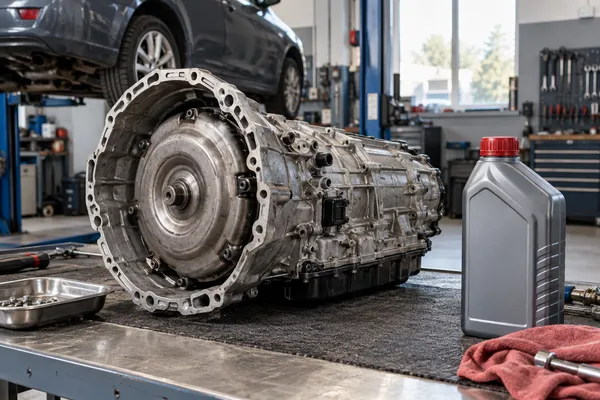
Read the guideThe word automatic covers several different transmission designs. That is why a generic fluid-change rule is a poor starting point.
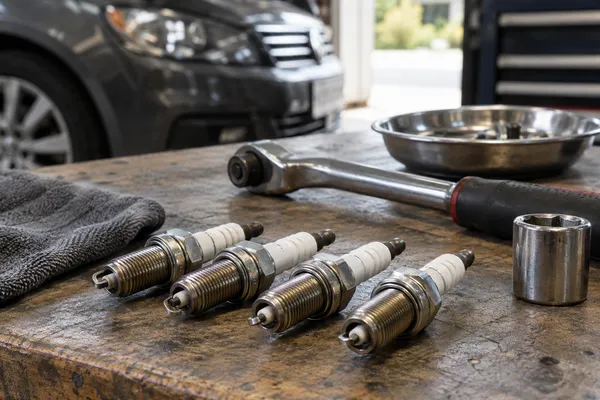
Read the guideSpark plugs have an engine-specific job. Their replacement interval should come from the car’s schedule, not a universal mileage rule.
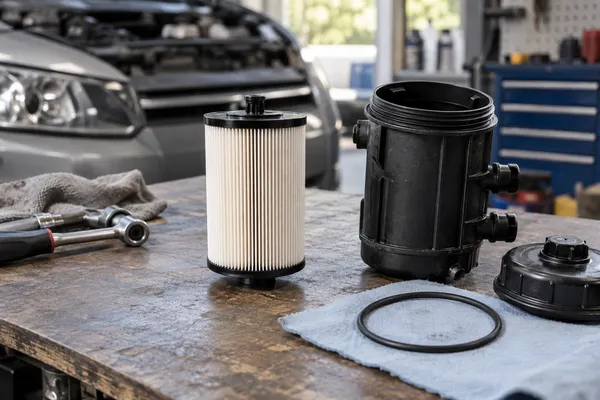
Read the guideA diesel fuel filter protects equipment that depends on clean fuel. Its history deserves more than a vague note saying filters done.
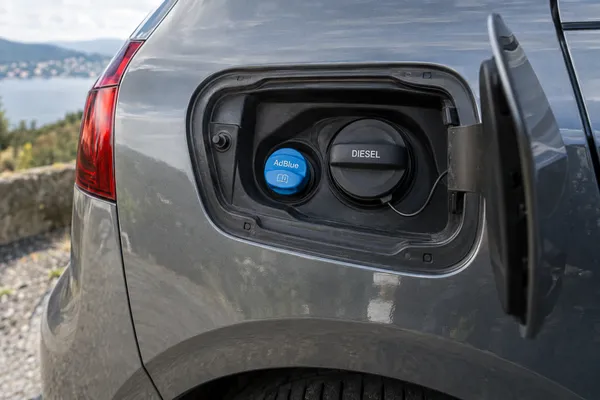
Read the guideAdBlue belongs in its own tank, never in the diesel filler. Identify the system before opening a container.
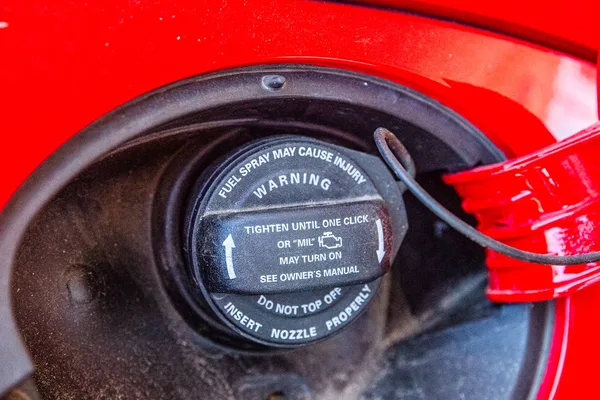
Read the guideThe fuel flap collects dust, water and hurried handling. A gentle clean and a proper closure are more useful than improvised lubrication.
Read the guideA dashboard indicator cannot show you every failed exterior lamp. A short parked check makes the actual light output visible.
Read the guideA cloudy outer lens can reduce useful light even when the bulb still works. Cleaning and restoration are different jobs.
Read the guideA frozen door is often a sealing-surface problem, not a reason to pull harder on the handle. Prepare the rubber before cold weather.
Read the guideWinter salt can remain on a car after the road has dried. A suitable wash reaches the overlooked areas without attacking vulnerable parts.
Read the guideDried bird droppings invite an unhelpful reflex: scrub harder. Soften the deposit first and protect the paint underneath.
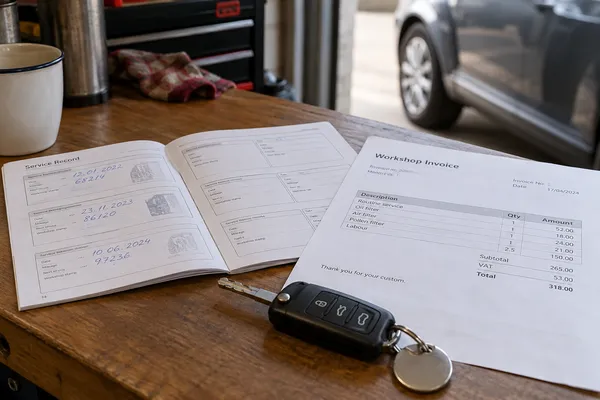
Read the guideA useful maintenance history answers a few practical questions quickly. It does not need a complicated app or a folder full of unexplained receipts.
Read the guideChecking the car the day before a long journey leaves time to solve a small problem. Doing it with the engine running and bags loaded often does not.
Read the guideA few ordinary observations after routine servicing can catch an unfamiliar warning, misplaced mat or new fluid trace before it becomes a confusing later discovery.
Read the guide