Tyres, brakes & handling
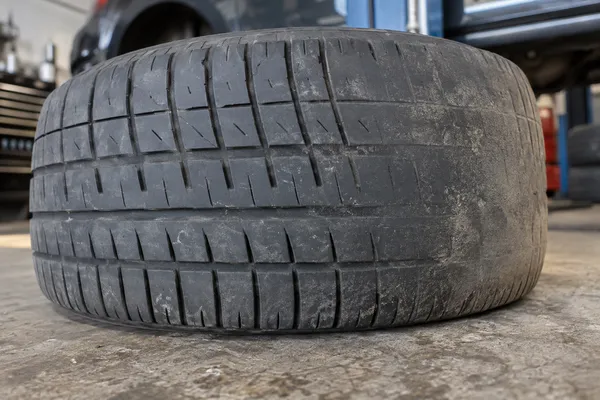
Old tyres can still have deep tread
A low-mileage car can wear its tyres out by age before it wears the grooves away. The sidewall tells part of that story.
Read the guidePay attention to what connects your car to the road.
26 guides in view
No guides match. Try a shorter phrase or choose another category.
A low-mileage car can wear its tyres out by age before it wears the grooves away. The sidewall tells part of that story.
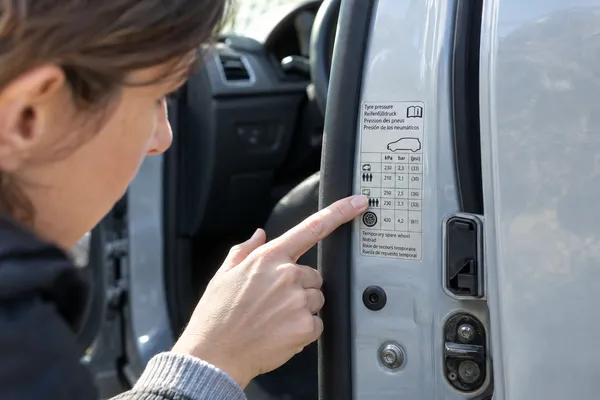
Read the guideThe number on a tyre sidewall is not the normal pressure setting for your car. Find the vehicle’s table and choose the right row.
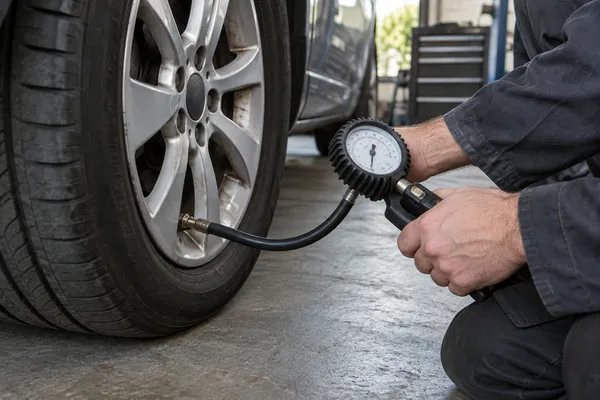
Read the guideTyre pressure changes as the tyre warms. A cold reading gives you the comparison the vehicle’s recommendation normally expects.
Read the guideAdding air every few days may keep the warning quiet, but it does not explain why one tyre keeps losing pressure.
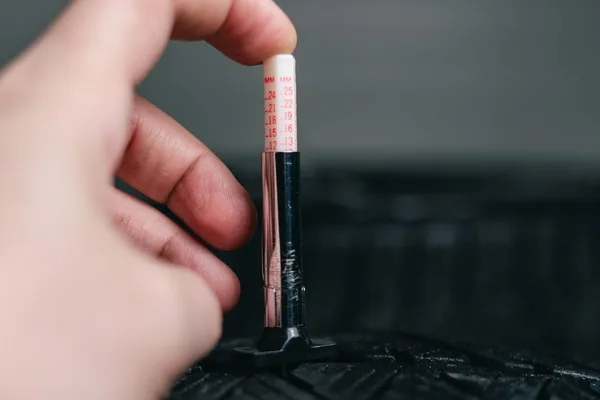
Read the guideA generous groove in the middle can distract from a worn shoulder. Look across the tyre and around its circumference.
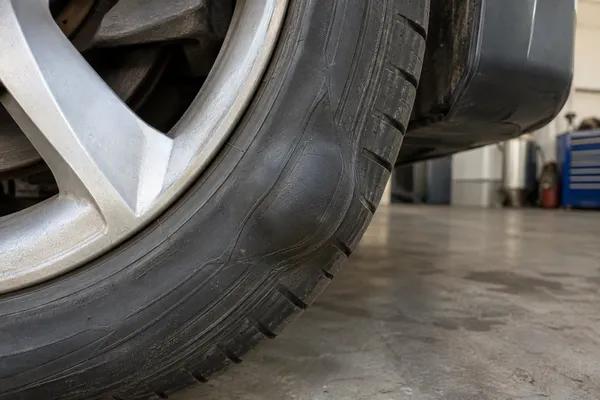
Read the guideA bubble pushing outward from a tyre sidewall is a structural warning, even when the tread still looks new.
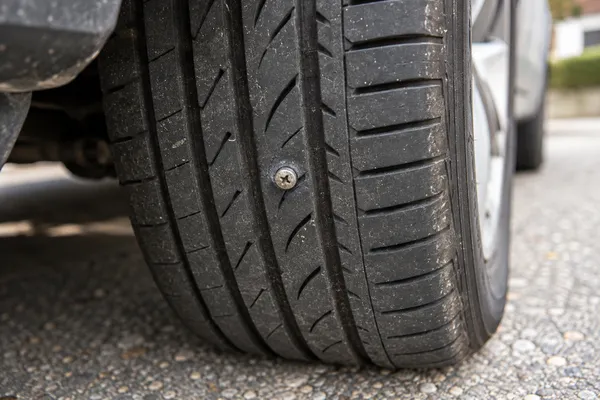
Read the guideFinding a nail does not tell you how much air has escaped or whether the tyre remains repairable. Leave the object for the professional to assess.
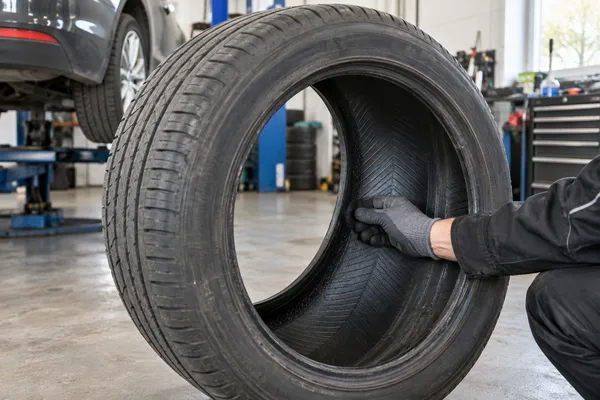
Read the guideTwo small holes can lead to different decisions. Their location and the condition inside the tyre matter more than their appearance from outside.
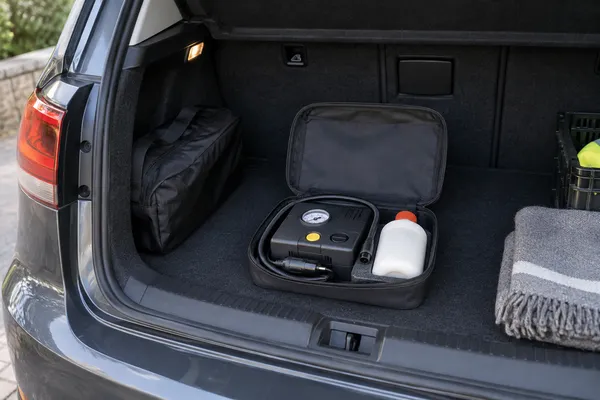
Read the guideA compressor in the boot is only part of a puncture kit. The bottle, hoses, power connection and instructions all need to be ready.
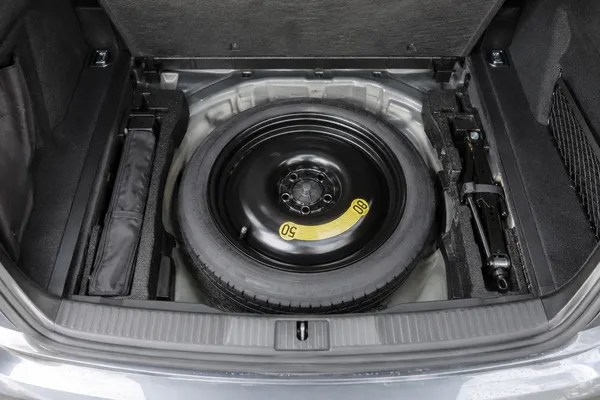
Read the guideA compact spare restores limited mobility. Its own instructions still apply even when it fits neatly onto the car.
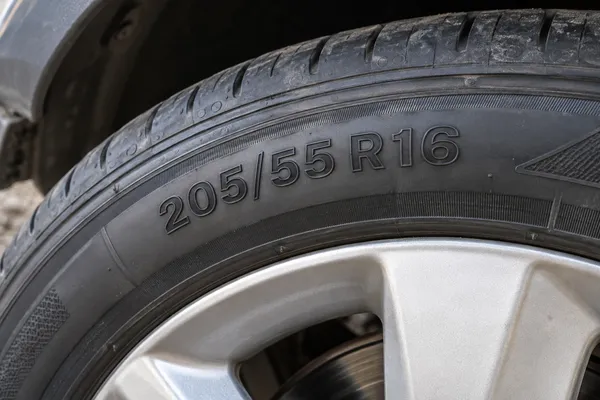
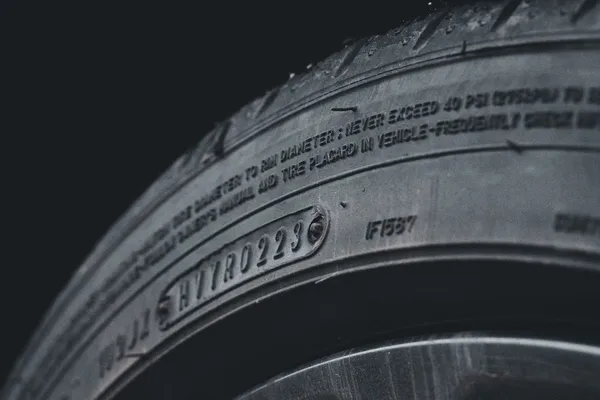
Read the guideThe size moulded onto a sidewall is a compact description, not just the wheel diameter. Copy the complete line before ordering.
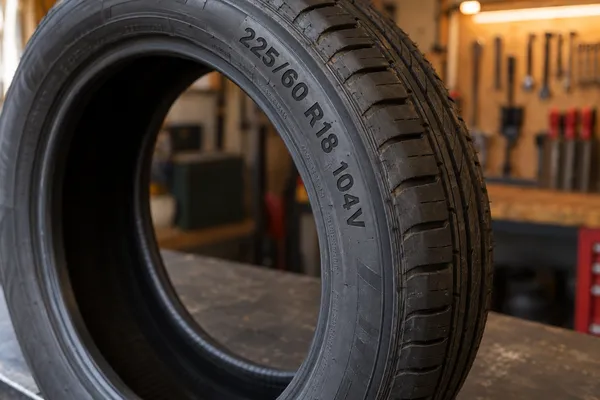
Read the guideThe small number and letter after the tyre size describe capabilities that must suit the vehicle. They are not optional shopping details.
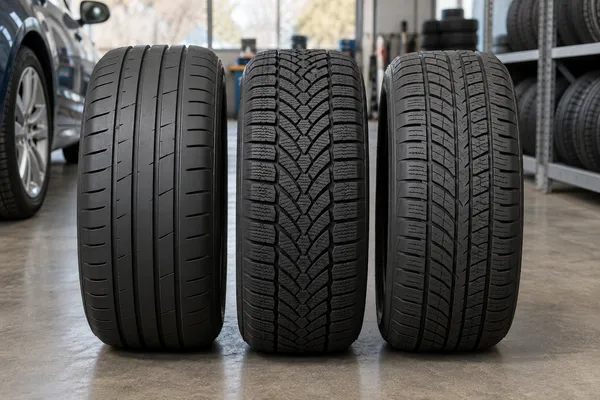
Read the guideThe most useful tyre choice starts with the journeys you cannot postpone, rather than the weather on the day you buy.
Read the guideSeasonal tyres spend months waiting for their next journey. Their storage space deserves the same attention as the changeover appointment.
Read the guideMoving tyres between corners can help manage wear, but the car and tyre markings decide which moves are permitted.
Read the guideWhen only two tyres are replaced, putting the newest pair on the driven wheels is not automatically the right choice.
Read the guideBoth services concern wheels, but one addresses their angles and the other the rotating assembly’s balance. A symptom does not choose the service by itself.
Read the guideA hard impact can damage more than the visible outer rim. Pay attention to what changed afterwards without taking a test drive to provoke it.
Read the guideOne worn edge or a series of shallow patches tells you where to look more closely. It does not name the faulty part by itself.
Read the guideA high-pitched brake sound needs context. A useful description helps the workshop investigate without turning the driver into a brake tester.
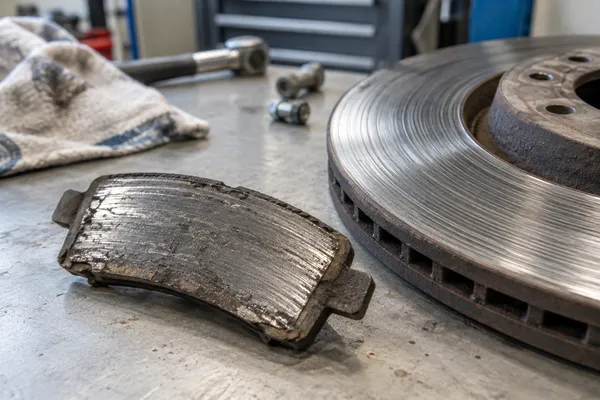
Read the guideA harsh metallic scraping sound during braking can indicate serious wear or another fault. It is not something to postpone until the next service.
Read the guideA pedal that travels farther, feels unusually hard or no longer responds as expected deserves immediate attention, even without a dashboard warning.
Read the guideVibration during braking needs a careful description. The place you feel it and the circumstances help the workshop choose its checks.
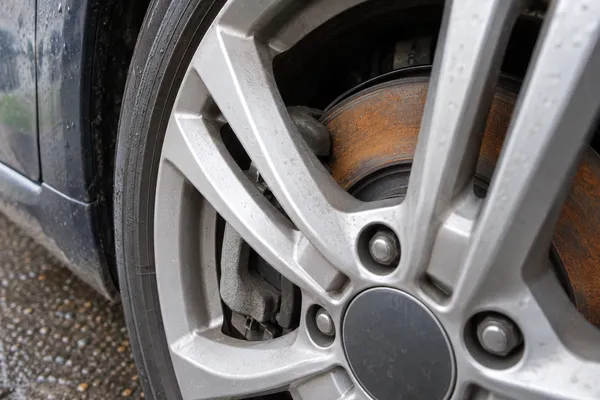
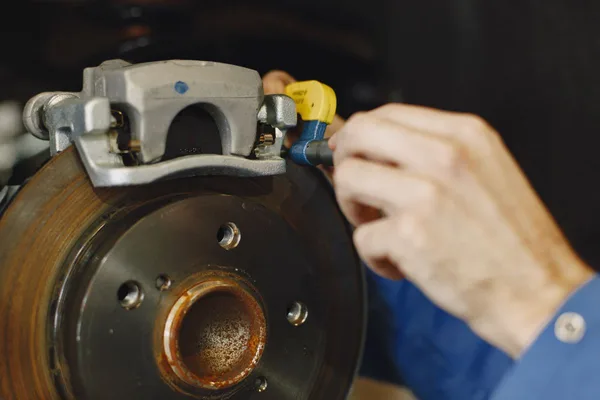
Read the guideA thin orange film can appear after a car sits in damp conditions. Its presence is different from proof that the brakes are either ruined or safe.
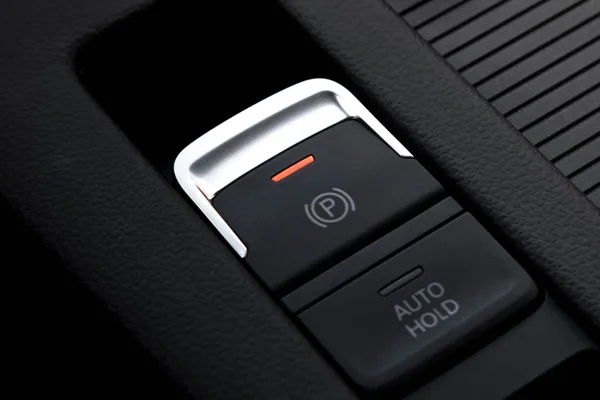
Read the guideA small switch can manage several automatic behaviours. Learn the confirmation signals rather than assuming the car has applied the brake for you.
Read the guideA useful brake quote explains what is worn, what was measured and what the proposed work includes. The parts total is only one part of it.
Read the guide