Starting & electrics
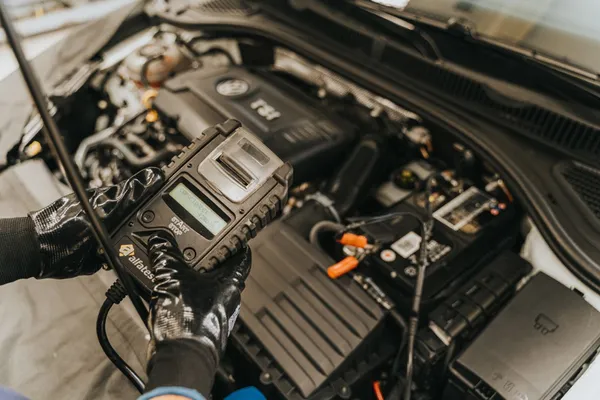
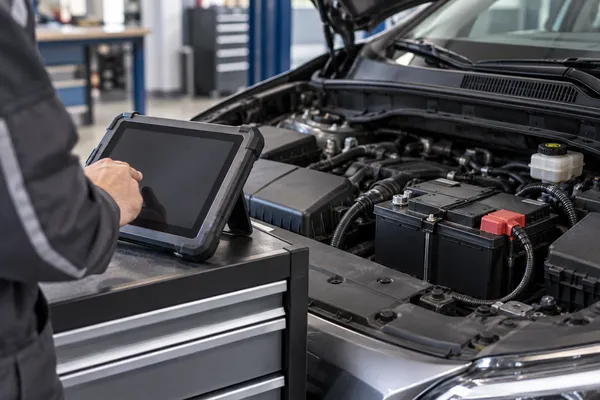
Why some replacement batteries need registration
Fitting a battery and telling the car that it has been replaced can be two separate jobs. Find out what your model requires before judging the result.
Read the guideFrom a reluctant starter to the small things that stop working.
30 guides in view
No guides match. Try a shorter phrase or choose another category.
Fitting a battery and telling the car that it has been replaced can be two separate jobs. Find out what your model requires before judging the result.
Read the guideAn engine that stays running at a junction is not automatically reporting a fault. The system has conditions to satisfy before it can stop.
Read the guideA bright dashboard is useful information, but it is not a test of the battery under starting load.
Read the guideThe car starts in the morning but refuses after a short stop. The timing of that failure is part of the evidence.
Read the guideA harsh mechanical noise during a start request deserves a pause, not a series of attempts to make it catch.
Read the guideA starting noise that persists after the engine catches needs a different response from an ordinary reluctant start.
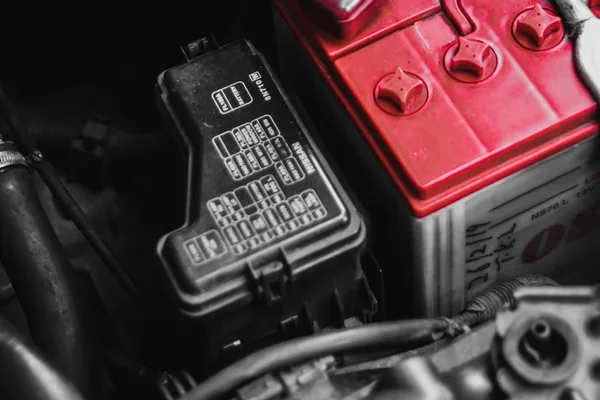
Read the guideThe fuse is there to protect a circuit. Replacing it with something stronger changes the risk, not the cause of the fault.
Read the guideA phone that no longer charges can point to the adapter, the cable, the socket or the way the car supplies it. Separate those possibilities calmly.
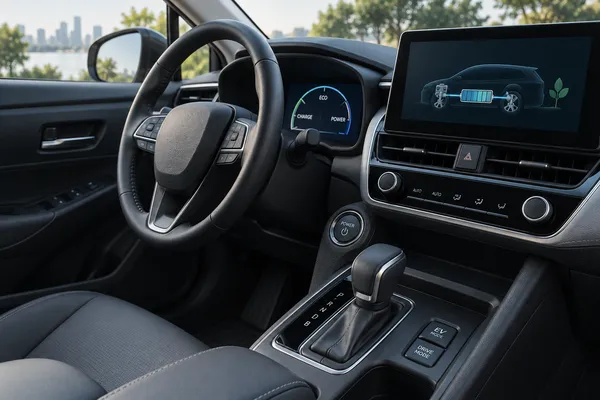
Read the guideOn a full hybrid, silence does not tell you whether the car is switched off. Learn the vehicle's ready-to-drive indication.
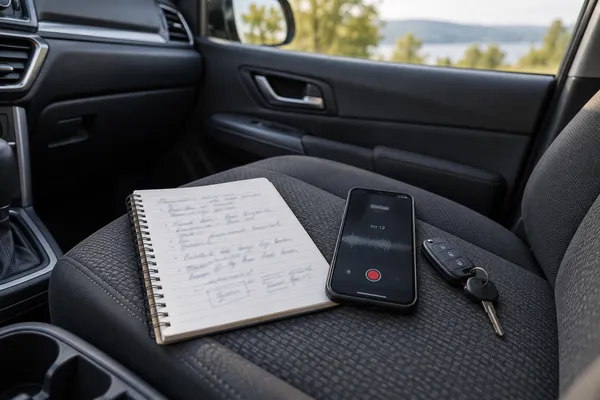
Read the guideWhen the car behaves perfectly at the workshop, a short, precise account can keep the original problem from disappearing into guesswork.
Read the guideA burst of clicks often points toward insufficient starting power, but the sound alone cannot tell you which part needs replacing.
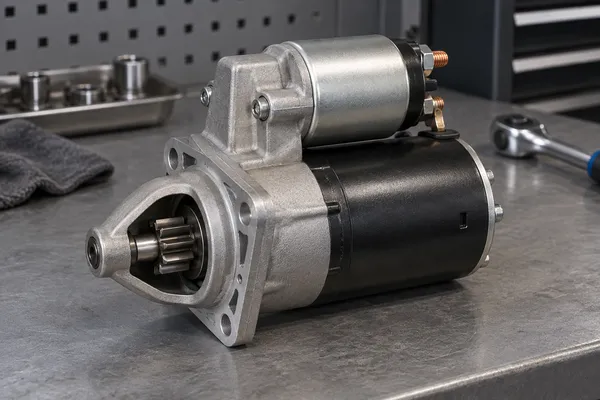
Read the guideOne firm click narrows the description of a no-start, but it does not identify the starter motor with certainty.
Read the guideCold weather can expose a weak starting system. Compare the speed of cranking with the time the engine takes to fire.
Read the guideIf the engine turns normally but never runs, the battery is not the only question. Preserve the starting conditions before repeated attempts change them.
Read the guideSilence can mean that the start request was not accepted. Begin with the display and normal starting conditions.
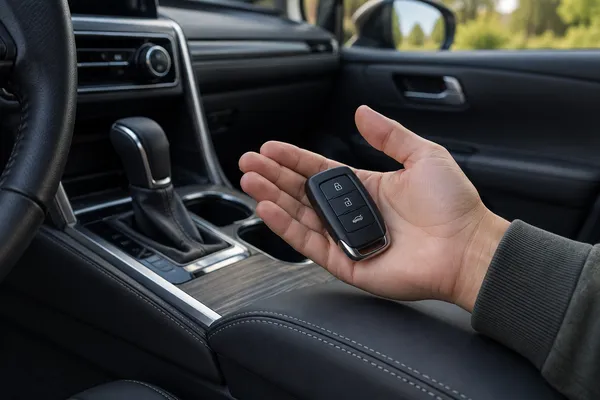
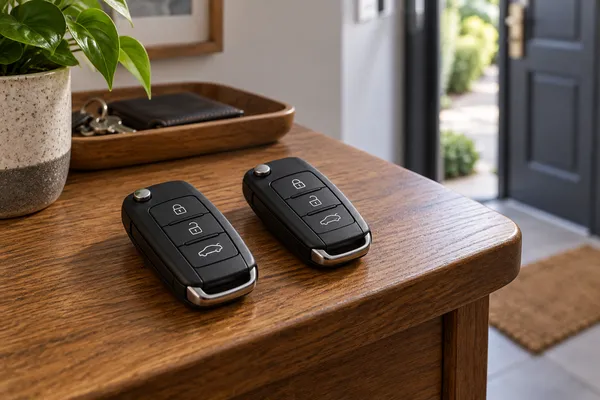
Read the guideHaving the key inside the car does not guarantee that the vehicle can recognise it. Follow the designated backup method.
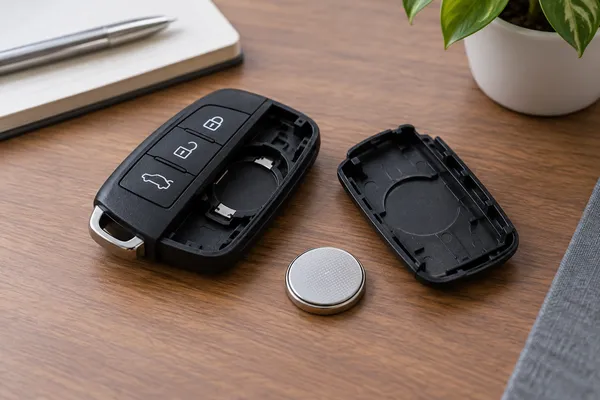
Read the guideA flat fob battery need not mean a stranded car. The emergency entry and starting procedures are vehicle-specific.
Read the guideA second authorised key is a useful comparison tool. Keep the conditions the same so the result means something.
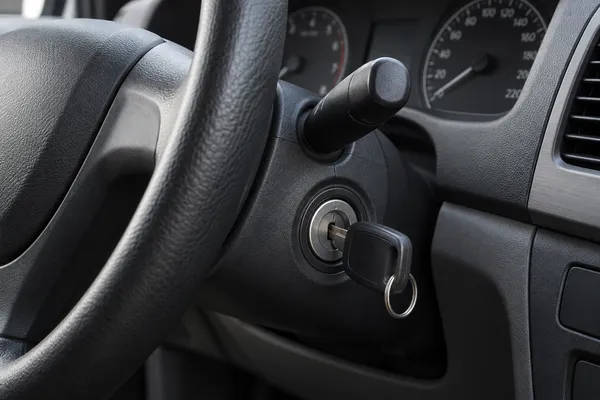
Read the guideA key that will not turn can be held by steering-lock tension. Gentle normal operation is different from forcing a damaged lock.
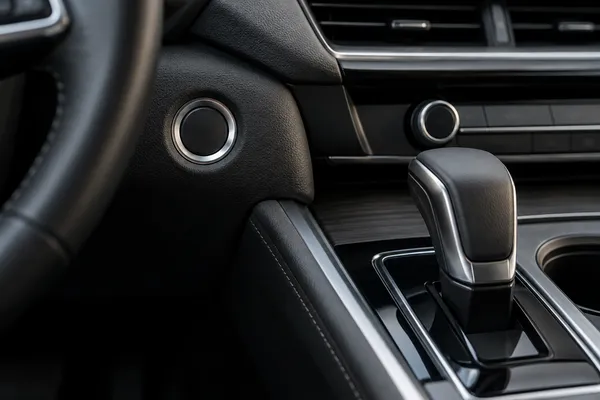
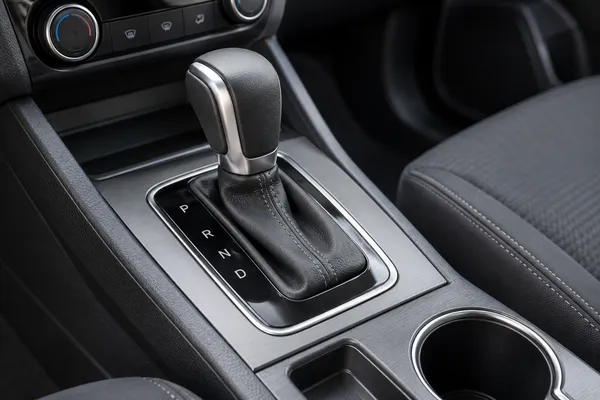
Read the guideA start refusal can come from the car not recognising a permitted selector position. Keep the vehicle secured throughout the check.
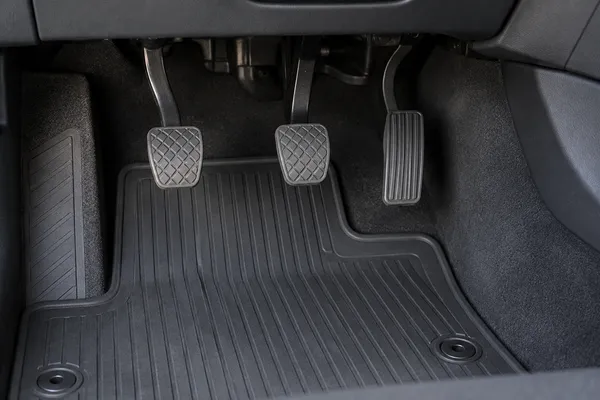
Read the guideA manual car may require the clutch fully depressed before starting. A persistent prompt is a symptom, not a reason to bypass the switch.
Read the guideRepeated overnight discharge needs a history of what the car was doing while parked, not just another battery.
Read the guideA series of short journeys can leave a battery with less charge even though the car is used every day.
Read the guideBefore turning the key after weeks away, give the parked car a short inspection and avoid assuming its battery is fully charged.
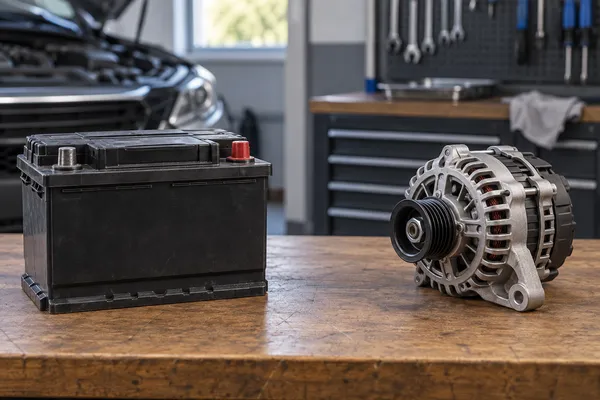
Read the guideStarting and charging are connected, but the same symptom can arise from different faults. Ask for a system assessment.
Read the guideBefore connecting anything, establish whether the vehicle allows a jump-start and which points it specifies.
Read the guideThe car running again is useful progress, but it does not explain why the battery needed help.
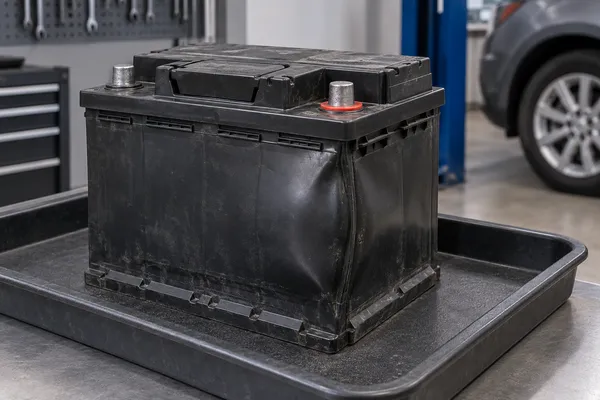
Read the guideA distorted battery case changes the task from getting the car started to keeping people away from a damaged battery.
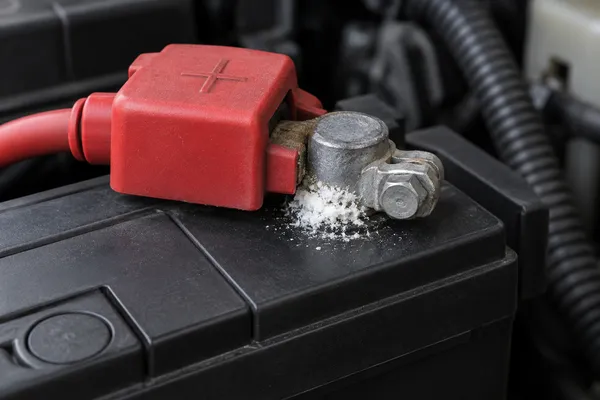
Read the guideA white or coloured deposit near a battery terminal deserves inspection. Cleaning the visible surface may not explain why it appeared.
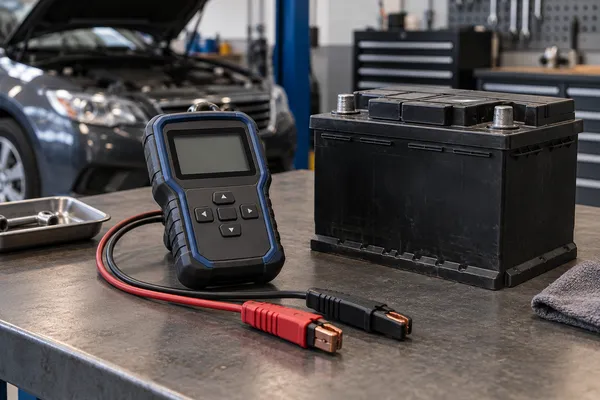
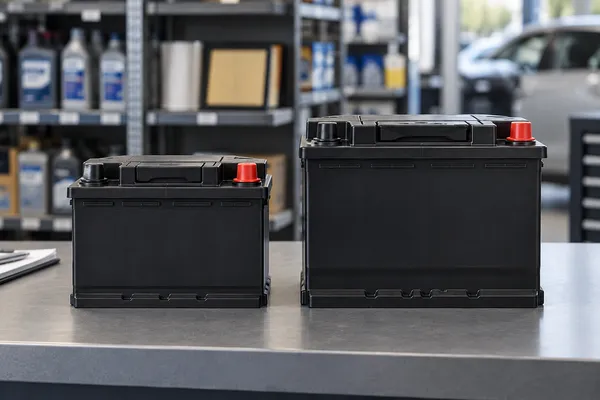
Read the guideThe right battery must match more than its dimensions. Technology, ratings and vehicle setup all belong in the decision.
Read the guide