Tyres, brakes & handling
Pay attention to what connects your car to the road.
 Tyres, brakes & handling
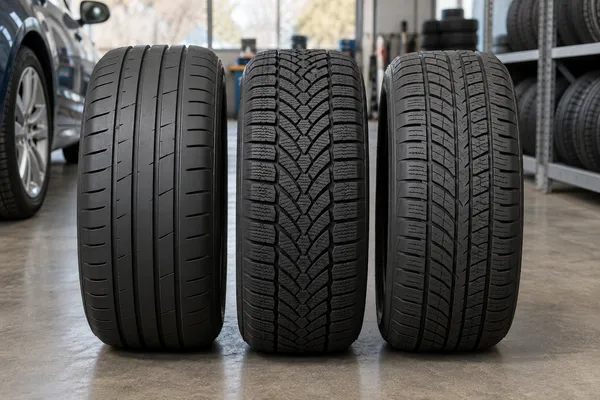
Choosing tyres for the roads you use
The most useful tyre choice starts with the journeys you cannot postpone, rather than the weather on the day you buy.
 Tyres, brakes & handling
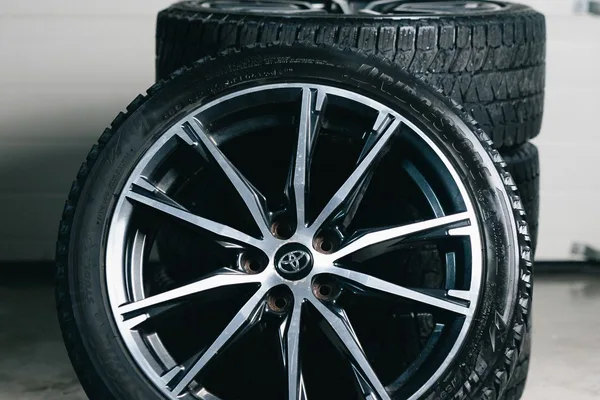
Putting seasonal tyres away properly
Seasonal tyres spend months waiting for their next journey. Their storage space deserves the same attention as the changeover appointment.
 Tyres, brakes & handling
Why tyre rotation is not always possible
Moving tyres between corners can help manage wear, but the car and tyre markings decide which moves are permitted.
 Tyres, brakes & handling
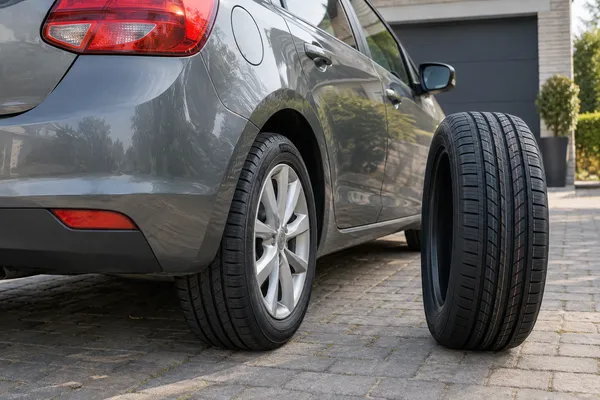
Where a pair of new tyres usually belongs
When only two tyres are replaced, putting the newest pair on the driven wheels is not automatically the right choice.
 Tyres, brakes & handling
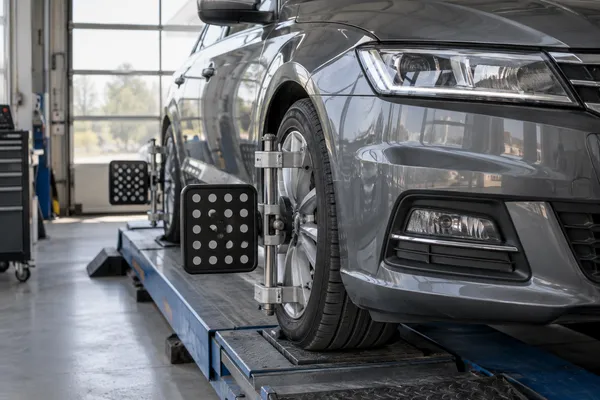
Alignment and balancing solve different problems
Both services concern wheels, but one addresses their angles and the other the rotating assembly’s balance. A symptom does not choose the service by itself.
 Tyres, brakes & handling
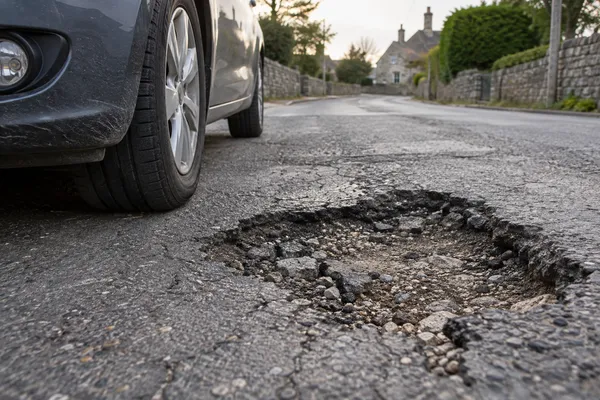
After a hard pothole impact
A hard impact can damage more than the visible outer rim. Pay attention to what changed afterwards without taking a test drive to provoke it.
 Tyres, brakes & handling
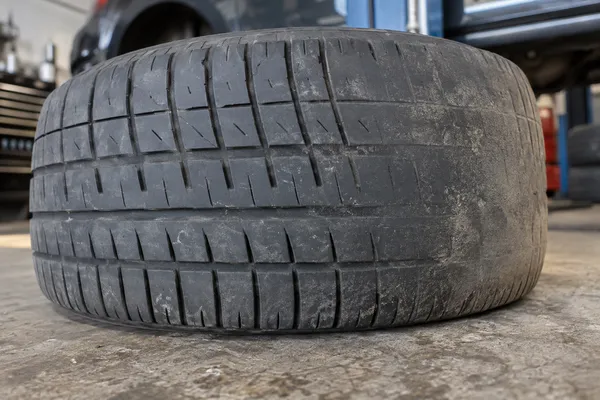
Uneven wear needs a cause, not just new tyres
One worn edge or a series of shallow patches tells you where to look more closely. It does not name the faulty part by itself.
 Tyres, brakes & handling
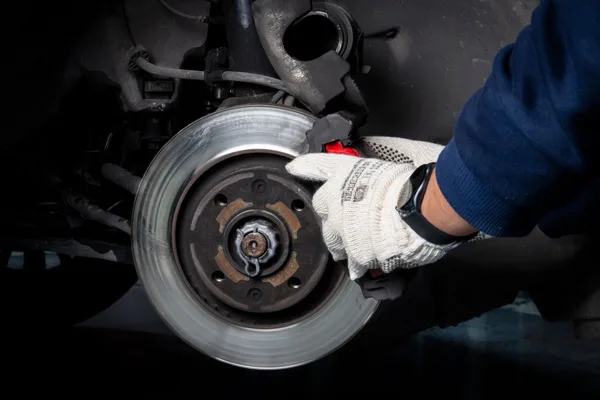
Describing brake squeal usefully
A high-pitched brake sound needs context. A useful description helps the workshop investigate without turning the driver into a brake tester.
 Tyres, brakes & handling
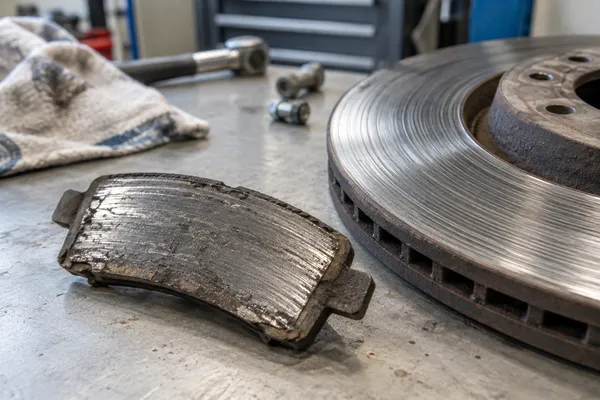
A grinding brake noise is not a waiting job
A harsh metallic scraping sound during braking can indicate serious wear or another fault. It is not something to postpone until the next service.
 Tyres, brakes & handling
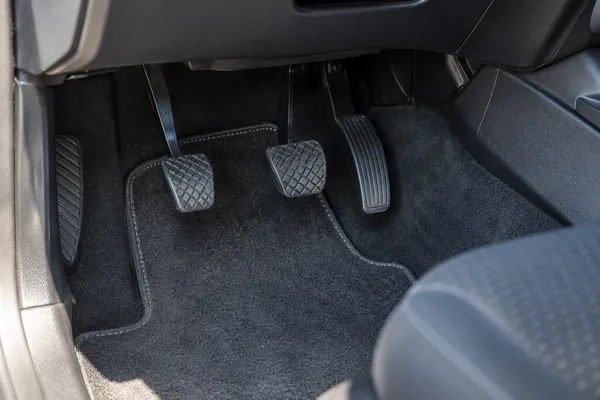
When the brake pedal feels different
A pedal that travels farther, feels unusually hard or no longer responds as expected deserves immediate attention, even without a dashboard warning.
 Tyres, brakes & handling
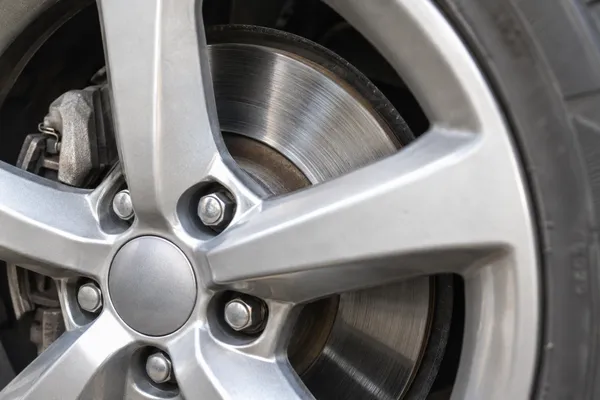
What to note about vibration while braking
Vibration during braking needs a careful description. The place you feel it and the circumstances help the workshop choose its checks.
 Tyres, brakes & handling
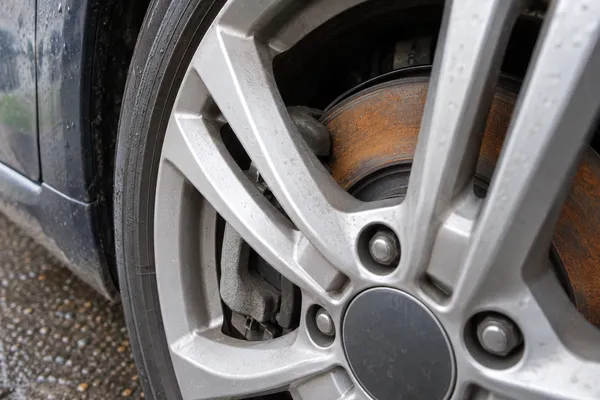
A film of rust on a parked car’s discs
A thin orange film can appear after a car sits in damp conditions. Its presence is different from proof that the brakes are either ruined or safe.