Symptoms & diagnostics
Put noises, fault codes and changing behaviour into context.
 Symptoms & diagnostics
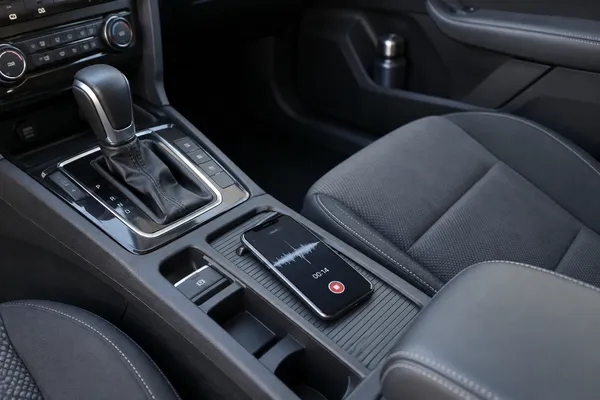
Record a car noise without creating a new risk
A recording can help describe a sound, provided the way you capture it stays safe.
 Symptoms & diagnostics
Rough idle: the difference between cold and warm
When the uneven running appears can be as useful as how it feels.
 Symptoms & diagnostics
Describe hesitation without testing the limits
A brief pause in response needs clear context, not repeated hard acceleration.
 Symptoms & diagnostics
When the engine cuts out at junctions
An unexpected stall is different from a normal automatic stop. Establish which one occurred before describing the fault.
 Symptoms & diagnostics
Loss of power on a hill deserves context
A demanding stretch of road can reveal a problem, but it is not a place to keep testing it.
 Symptoms & diagnostics
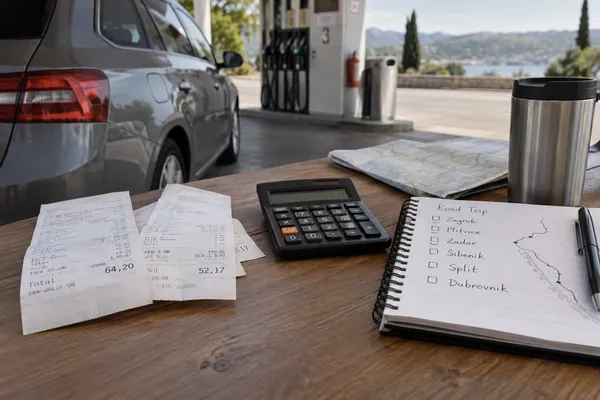
When fuel consumption changes without explanation
Check the comparison before deciding that the engine has developed a fault.
 Symptoms & diagnostics
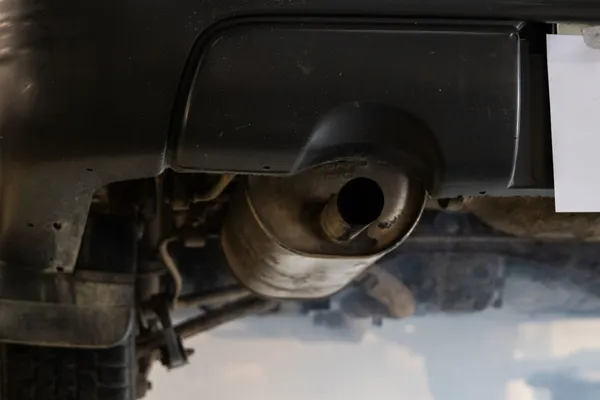
Exhaust vapour and persistent smoke
Colour is a clue, but duration, temperature and the vehicle’s behaviour matter too.
 Symptoms & diagnostics
A fuel smell is a reason to stop investigating
Do not turn a suspected leak into a home diagnostic experiment.
 Symptoms & diagnostics
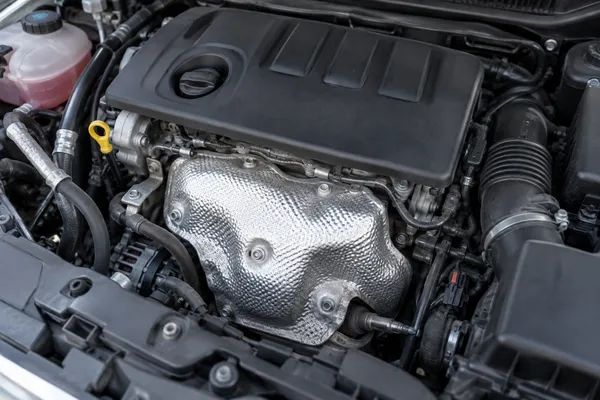
A rattle at idle that changes with engine speed
Describe the rhythm and conditions without reaching toward a running engine.
 Symptoms & diagnostics
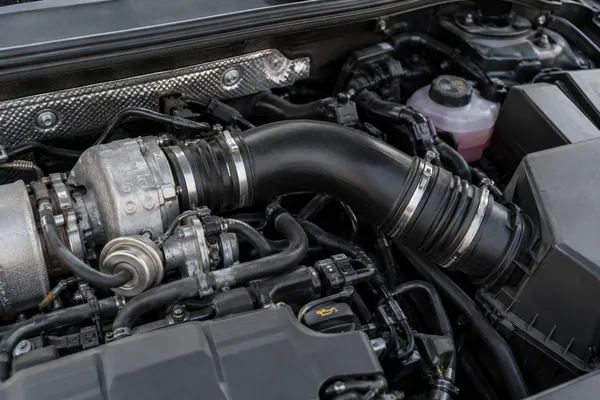
A new whistle under load
The timing of a whistle helps distinguish a usual sound from a change worth investigating.
 Symptoms & diagnostics
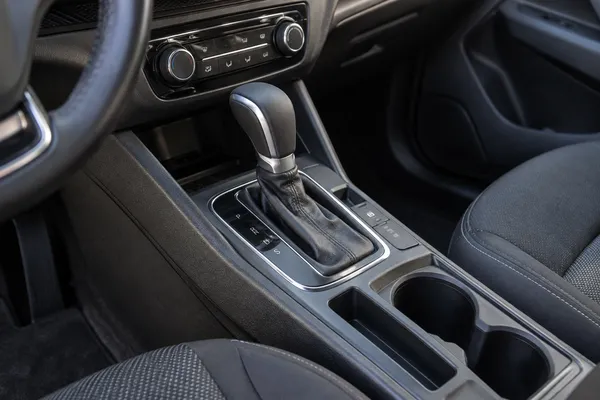
Describe an automatic gearbox hesitation
A delay, a harsh shift and slipping are different complaints.
 Symptoms & diagnostics
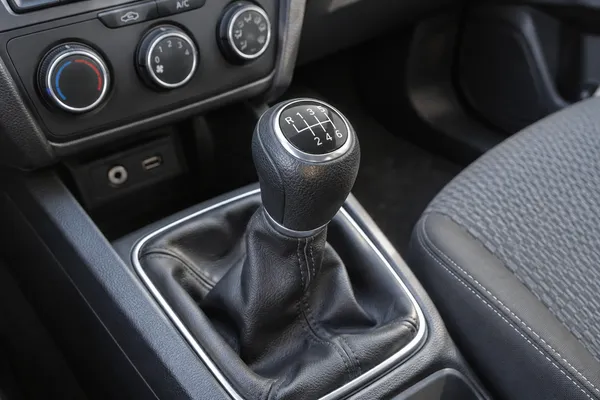
When a manual gear change becomes difficult
A reluctant lever needs a precise description. Forcing it is not a diagnostic step.